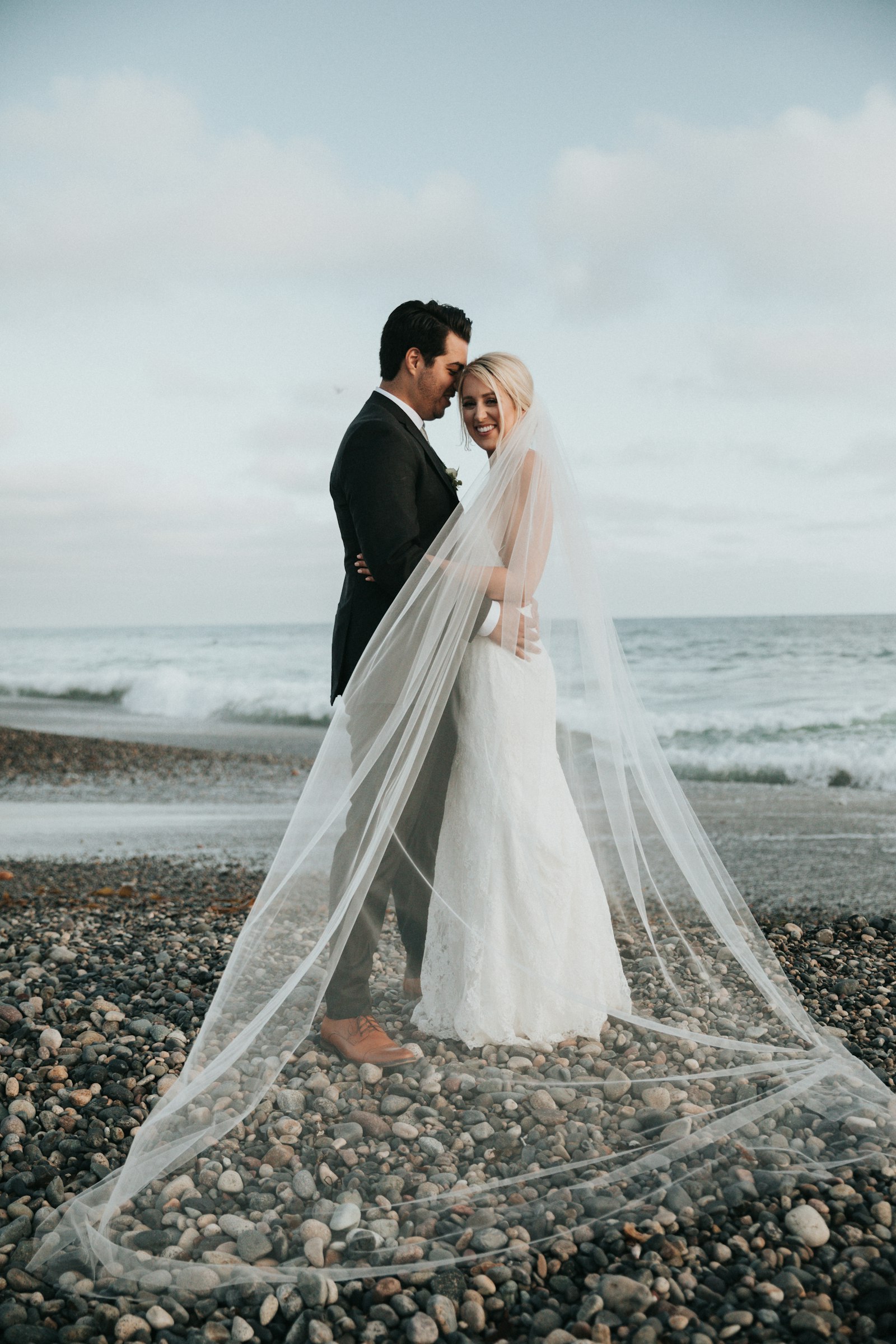
The flowers die. The dress gets preserved in a box you'll never open again. The cake gets eaten. What remains: photographs. Choose wrong and you'll have technically acceptable photos that feel empty.
The flowers die. The dress gets preserved in a box you’ll never open again. The cake gets eaten. The decor gets returned.
What remains: photographs.
Ten years out, you won’t remember what the centerpieces looked like. But you’ll look at the photos. So will your children, eventually. The photographer isn’t decoration—they’re documentation. And unlike most wedding vendors, you’re not just buying a service. You’re buying their perspective, their eye, their ability to see moments you’ll miss because you’re living them.
Choose wrong and you’ll have technically acceptable photos that feel empty. Choose right and you’ll have images that return you to how the day actually felt.
Understanding Photography Styles
Photographers market themselves in overlapping categories. Understanding the distinctions helps filter portfolios quickly.
Documentary/Candid vs. Traditional/Posed
Documentary (also called photojournalistic or candid): Photographer captures what happens naturally. Minimal direction. Moments over perfection. Your grandmother laughing during the speech. Your sister crying during the first dance. The flower girl who won’t walk down the aisle.
This style produces images with emotional weight but less formal polish. Compositions might be imperfect—someone’s head cut off at the edge, background elements that aren’t ideal. The trade: authenticity.
Kenyan documentary photographers to research: Antony Trivet (Nairobi), Waruisapix (Nairobi), Nyokabi K. (Nairobi). Pricing: KES 80,000-150,000 for 8-10 hour coverage.
Traditional/Posed: Photographer directs everything. Family formals. Couple portraits with specific poses. Everyone looks at camera, smiles on cue. Less spontaneity, more control.
This produces images that feel organized, polished, safe. Your relatives will prefer these—they expect wedding photos to look a certain way. But they can feel stiff.
Most photographers blend both approaches. Pure documentary or pure traditional is rare. The question is ratio—do you want 70% candid and 30% posed, or inverse?
Fine Art & Editorial Style
This is the Kinfolk/Vogue aesthetic. Intentional composition. Softer focus at times. Attention to negative space. Color grading that feels cinematic rather than documentary.
Fine art photographers think about light obsessively. They’ll delay the couple portraits by 30 minutes to get better sunset angle. They’ll reposition you during ceremony if the light isn’t working. More director than documentarian.
The resulting images look premium—they could run in magazines. But the shooting process requires patience. You’re holding poses longer. Taking direction more. If you want relaxed, spontaneous energy, this might clash.
Karis Munene (Nairobi) and Victor Peace (Nairobi) work in this register. Expect KES 120,000-180,000 for full-day coverage. You’re paying for their aesthetic vision, not just technical skill.
Questions to Ask Before You Book
Portfolio is first filter. But good portfolio doesn’t guarantee good fit. These questions reveal working style and eliminate mismatches:
“How many weddings have you shot?” Experience matters. Someone on wedding number 50 handles logistics differently than someone on wedding number 5. Both can produce good images, but the veteran navigates family politics, lighting challenges, and timeline pressure more smoothly.
Under 20 weddings? Acceptable if you’re budget-conscious and their portfolio shows promise. Over 50? They’ve seen most scenarios. Over 100? They’re a known quantity.
“What’s included in your package?” Specifics matter:
- How many hours coverage? (Most photographers quote 8-10 hours. Budget an extra 2 hours—weddings run late.)
- How many edited photos delivered? (Range is 400-800 for full-day wedding. Under 300 feels light. Over 1,000 is overkill—you won’t look through all of them.)
- Digital files or prints included? (Most deliver digital gallery. Prints are typically separate charge.)
- Second shooter included? (Recommended for weddings over 100 guests. Second shooter captures alternate angles—one on bride, one on groom during processional.)
- Engagement shoot included? (Many photographers bundle a 2-hour pre-wedding session. This doubles as practice run for working together.)
- Turnaround time? (Edited photos should arrive within 6-8 weeks. Longer than 12 weeks is unprofessional unless specified.)
“Do you work with an assistant or second shooter?” Second shooter isn’t just backup—it’s strategic. During ceremony, first shooter focuses on couple/officiant, second shooter captures guest reactions. During reception, one covers dance floor, other roams for candid moments. Value multiplies with larger weddings.
“What happens if you’re sick or unavailable on our date?” Professionals have backup networks. Amateur photographers might not. Ask explicitly about their contingency plan.
“What’s your editing style?” Look at recent work (2024-2025 galleries). Editing trends shift. Some photographers deliver bright, airy images (blown-out highlights, soft pastels). Others prefer moody, contrasty edits (deep shadows, rich colors). Make sure their current style matches what you want. Don’t assume they’ll edit differently for your wedding—you’re hiring their aesthetic.
“Do you carry backup equipment?” Cameras fail. Memory cards corrupt. Batteries die. Professional photographers carry backup bodies, extra memory cards, multiple lenses, spare batteries. This isn’t paranoia—it’s professional standard.
“Can we see a full wedding gallery, not just highlights?” Portfolios show best 40-50 photos from each wedding. Full gallery reveals consistency. Do they maintain quality across 600 images or do they peak early? Full gallery also shows coverage breadth—do they capture details (rings, shoes, stationery) or just people?
The Engagement Shoot: Why You Need One
Engagement shoots serve multiple purposes beyond “pretty photos for Instagram.”
Test run for chemistry: Three hours with a photographer reveals whether you work well together. Are they bossy or collaborative? Do they make you laugh or do you feel awkward? Better to discover incompatibility before the wedding than during it.
Practice being photographed: Most people are camera-shy. Engagement shoot is rehearsal. You learn what angles feel natural, what poses work for your body types, how to relax when someone’s pointing a lens at you.
Understanding light preferences: Good photographers will show you timing matters—how golden hour light (6:00-6:30pm in Nairobi) changes everything. This informs your wedding day timeline.
Location scouting opportunity: If your photographer hasn’t shot at your wedding venue before, engagement shoot can happen there. They’ll note the good photo locations, identify lighting challenges, plan ceremony and portrait timing.
Free content for save-the-dates or website: Practical benefit. Engagement photos populate your wedding website, can be used for save-the-date cards, give you something to post while planning.
Typical engagement shoot structure: 2-3 hours, one or two locations, 60-100 edited photos delivered. If photographer doesn’t include this, expect to pay KES 25,000-45,000 separately.
The Money Conversation
Photography pricing in Kenya runs wide spectrum based on experience, demand, and market positioning.
Budget Tier (KES 35,000-60,000): Newer photographers building portfolios. Smaller businesses. Sometimes single photographer, no second shooter. Quality varies—some are excellent value, others deliver amateur work.
Risk factors: Less experience handling complex lighting (outdoor ceremonies transitioning to indoor receptions). Potentially less reliable on backup equipment. Might miss key moments due to inexperience.
When this tier works: Small weddings (under 80 guests), tight budgets, couples willing to give detailed shot lists and accept some learning curve.
Mid-Range (KES 80,000-150,000): Established photographers with 3-7 years wedding experience. Second shooter usually included. Reliable equipment and process. Portfolio shows consistent quality.
This tier covers 60% of Nairobi weddings. Sweet spot for value—professional results without premium pricing.
Premium (KES 150,000-250,000+): Top-tier talent. 8+ years experience. Distinctive aesthetic. Often featured in wedding blogs/magazines. Second shooter included. Sometimes video team bundled.
You’re paying for vision and reliability. These photographers won’t miss moments, won’t deliver late, won’t need direction on family formals because they’ve done this hundreds of times.
When premium makes sense: Large weddings (200+ guests), high production value throughout (expensive venue, premium decor), couples who prioritize photography above most other elements.
Destination Pricing: If your photographer is traveling (coast, Naivasha, Nanyuki), expect travel surcharge: KES 15,000-30,000 depending on distance. Also covers accommodation if overnight required.
Reading Portfolios Effectively
Don’t just look at pretty pictures. Analyze strategically.
Light variety: Does portfolio show work in multiple lighting conditions? Bright outdoor weddings, dim church ceremonies, evening receptions? If all photos are golden hour garden shots, what happens when your ceremony is at noon in a dark church?
Full wedding coverage: Look for:
- Getting ready photos (detail shots, bride with bridesmaids)
- Ceremony moments (processional, vows, first kiss, recessional)
- Family formals (structured group shots)
- Couple portraits (just the two of you)
- Reception coverage (decor details, first dance, cake cutting, guests dancing)
Missing categories? Ask whether they typically shoot them or if it’s portfolio curation choice.
Emotional range: Do photos show genuine emotion or just smiles? Look for tears during speeches, laughter during toasts, quiet moments between couple, children playing, elderly relatives watching. Emotional truth separates good photographers from great ones.
Consistency across weddings: Some photographers have one exceptional wedding in their portfolio that does all the heavy lifting. Browse 8-10 galleries. Does quality hold?
Cultural competency: If you’re having traditional ceremony components (ruracio, koito, etc.), does photographer’s portfolio show they’ve shot these before? Cultural events have specific moments that matter—photographer needs to know what to capture.
Preserving Memories: Albums and Prints
Digital galleries live on hard drives and cloud storage. Albums live on coffee tables and bookshelves.
Most photographers offer album design as add-on service: KES 35,000-80,000 depending on size, page count, and binding quality.
Album specifications that matter:
- Layflat binding: Pages lie completely flat when open (no center gutter breaking up images across spreads). Essential for professional result.
- Page count: 40-60 pages typical. Under 30 feels incomplete. Over 80 becomes coffee table book—impressive but expensive (KES 100,000+).
- Print quality: Lustre finish (slight sheen) or matte. Avoid glossy—shows fingerprints, reflects light.
- Cover material: Leather, linen, or photo cover. Leather most durable but expensive (adds KES 15,000-25,000).
Many photographers partner with international album companies (Queensberry, GraphiStudio). Quality is excellent but price reflects it.
Budget alternative: Design your own through Photobook Kenya (online service). Templates provided, you upload photos and arrange layouts. KES 12,000-18,000 for quality hardcover, layflat 40-page album. Caveat: requires time investment and design sensibility. If you’re not comfortable with layout design, pay the photographer.
Prints: Most couples order few physical prints beyond the album. But consider:
- Canvas print for living room (60x90cm): KES 8,000-12,000
- Framed 8x10 prints for family (KES 2,500 each)
- Parent albums (smaller version of main album): KES 18,000-25,000 each
Order these through your photographer—they have calibrated monitors and color-managed workflow. Printing at random photo kiosks produces inconsistent results.
Timeline Planning with Photography in Mind
Photographers need time and light. Build schedule accordingly.
Getting ready coverage (9:00am-12:00pm): Photographer arrives during hair/makeup completion stage. Captures detail shots (dress, shoes, jewelry, invitations). Bride with bridesmaids. Groom with groomsmen at separate location (if second shooter) or sequentially (if one photographer).
First look (optional, 12:30pm): Private moment before ceremony where couple sees each other. Emotionally charged photos. Also allows couple portraits before ceremony when makeup is fresh and energy is high.
Ceremony (2:00pm-3:00pm): Photographer arrives 30 minutes early for venue details, guests arriving. Ceremony itself. Family formals immediately after (plan 30-45 minutes for this—it always takes longer than expected).
Golden hour portraits (5:30pm-6:30pm): If reception starts at 6:00pm, block 30 minutes during cocktail hour for couple to slip away with photographer. This is the light that makes portfolio-quality images.
Reception (6:00pm-11:00pm): First dance, cake cutting, speeches, bouquet toss, dancing. Most photographers book 8-10 hours total. If you need coverage past midnight, negotiate overtime rate upfront (typically KES 8,000-12,000 per additional hour).
The Contract Essentials
Don’t book without written contract. At minimum, contract should specify:
- Date, time, location
- Hours of coverage
- Number of photographers (primary + second shooter)
- Deliverables (number of edited photos, format, resolution)
- Delivery timeline
- Payment schedule (typical: 30% deposit to book, 40% one month before, 30% on wedding day)
- Cancellation policy
- Backup plan if photographer unavailable
- Image ownership and usage rights (you should receive full resolution files with rights to print; photographer typically retains copyright for portfolio use)
Red flags: Photographer resists written contract. Vague deliverable descriptions (“hundreds of photos”). No backup plan. Payment demanded entirely upfront.
What Actually Matters
Chemistry above portfolio. Skills can be learned. Eye can be developed. But if you don’t genuinely like your photographer, it shows in the images. You look uncomfortable. The photographer pushes too hard or not enough. The relationship flatlines.
Meet them. Talk beyond business transaction. Do they ask about your relationship story? Do they seem curious about your wedding vision? Do they offer suggestions or just take orders?
The photographer will be closer to you on your wedding day than almost anyone except your partner. They’ll be in getting-ready room. They’ll hover during ceremony. They’ll pull you away from guests for portraits. That proximity requires trust.
Hire someone whose company you enjoy. The photos will follow.
Browse the Photographer Directory to filter by style and budget. View complete wedding galleries before booking.
Jane Wambui
• Senior Wedding EditorJane has spent over a decade documenting Kenyan weddings across Nairobi, Mombasa, and the Rift Valley. With a background in hospitality management and a passion for storytelling, she brings insider knowledge of venue negotiations, vendor relationships, and the subtle art of balancing tradition with modern style. Her work focuses on practical advice that actually works in the Kenyan context—not imported ideals that fall apart when aunties start asking questions.