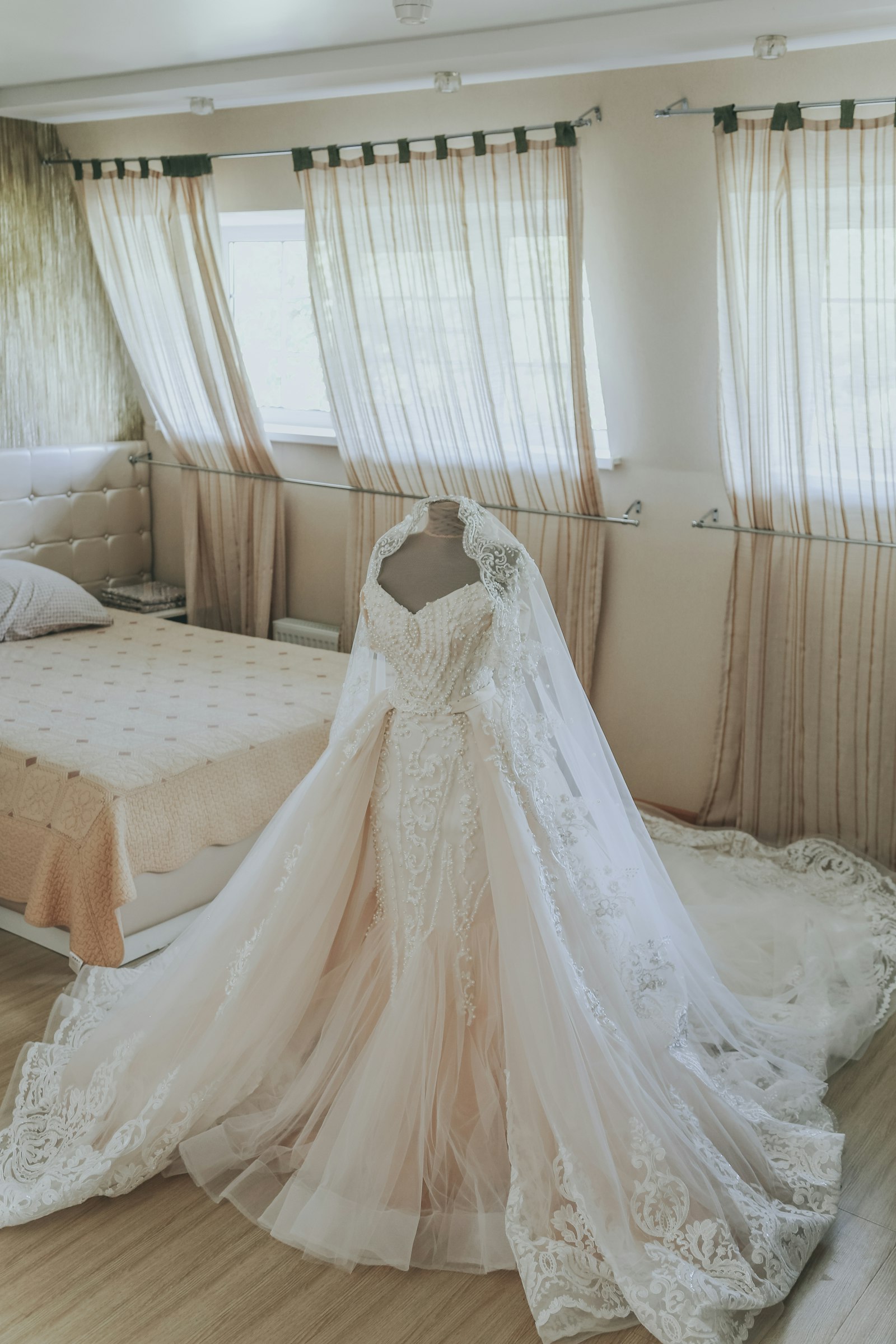
Global bridal runways don't translate directly to Nairobi. What works in London showrooms doesn't always survive the Karen garden heat or the Kikuyu church modesty expectations. But certain trends are landing here with force.
Global bridal runways don’t translate directly to Nairobi. What works in London showrooms doesn’t always survive the Karen garden heat or the Kikuyu church modesty expectations. But certain trends are landing here with force—minimal luxury replacing the ballgown maximalism of the 2010s, statement sleeves doing the work that heavy embellishment used to do.
The shift is toward pieces that photograph cleanly but hold detail when you’re standing close. Less is the new more, but only if the cut is perfect.
The Silhouette Report
The Return of the Ballgown
Not dead. Just recalibrated.
The 2026 ballgown isn’t the cupcake volume of the past decade. It’s structured—defined waistline, deliberate skirt proportion, movement without excess. Think ballet rather than quinceañera.
Amsale (available through select Nairobi stockists) is showing this best. Their ballgowns use mikado silk—heavy enough to hold shape, smooth enough to photograph without texture noise. The silhouette reads formal without reading costume. Prices imported start at KES 380,000. Alterations will add another KES 45,000-60,000 minimum.
Local designers are interpreting this too. Katindi Clothiers (Westlands) offers made-to-measure ballgowns in the KES 150,000-220,000 range. The construction quality is there—boned bodices, proper interfacing, French seams. But fabric selection matters. Their Italian silk options outperform the Chinese alternatives significantly.
Sleek & Modern Sheaths
The counterpoint to ballgown formality. Column dresses for the bride who doesn’t want to negotiate volume.
Sheath cuts require fit precision. There’s nowhere to hide. If the dress doesn’t follow your body exactly, it reads wrong. This is why most sheath brides end up custom—off-rack rarely fits perfectly enough.
Poisa (available at Chandarana Bridal, Lavington) specializes in minimalist sheaths. Clean lines. Subtle cowl backs. Prices run KES 280,000-420,000. The advantage? Their construction assumes East African body proportions from the start. Less alteration drama than imported samples.
The trend within the trend: detachable elements. Ceremony sheath, then add a tulle overskirt for the reception. Liz Ogumbo Bridal (Kilimani) builds this modularity into their designs—KES 180,000 for the base dress, KES 65,000 for the overskirt component. You’re getting two looks without two full dresses.
Fabric & Texture: Lace, Satin, and Tulle
Fabric choice affects everything—how the dress photographs, how it handles heat, how it moves.
Lace remains dominant but the application changed. Heavy Chantilly overlays are out. Graphic lace patterns—bold, almost architectural—are in. Vera Wang (imported through appointment-only stockists) leads this direction. Expect KES 450,000+ if you’re importing.
For local interpretation, Anne Wanjiku Couture works with Kenyan-manufactured lace that doesn’t read cheap. Her technique involves layering—French lace appliqués hand-placed over silk tulle bases. KES 200,000-280,000 range.
Satin is staging a return after years of matte dominance. But not the high-shine prom dress version. Muted satin—almost chalky finish, subtle sheen. It photographs remarkably well in natural light, which matters when 70% of your ceremony happens outdoors.
Tulle quality separates amateur construction from professional. Stiff tulle (the kind that stands on its own) reads costume. Soft Italian tulle that drapes and moves costs more (KES 3,500/meter vs. KES 800/meter for local alternatives) but the difference shows immediately in photos.
Where to Shop: Top Bridal Boutiques in Kenya
Appointment-Only Premium
Chandarana Bridal (Lavington) stocks the international names—Pronovias, Enzoani, Maggie Sottero. The model is try-on appointments, order-in from overseas. Timeline is 4-6 months from order to delivery. Prices start at KES 220,000 for entry collections, climb to KES 650,000+ for couture lines. Alterations included in some packages, separate in others—clarify upfront.
Bridal Manor (Karen) focuses on European imports. Smaller inventory than Chandarana but more curatorial. If you want something specific (Galia Lahav, Berta), they’ll source it. Commission-based model—you’re paying for the hunt, not just the dress. Budget KES 400,000-800,000 minimum.
Made-to-Measure Local
Katindi Clothiers mentioned earlier. Reliable. Professional. Six-week turnaround from first consultation to final fitting. Bring reference photos. They’ll replicate runway designs with adjustments for Kenyan church requirements (modesty panels, sleeve options).
Anne Wanjiku Couture if you want something genuinely custom. She sketches before she cuts. The process takes 8-10 weeks, minimum three fittings. Worth it if you know exactly what you want and it doesn’t exist in boutiques.
Liz Ogumbo Bridal for the modular approach. Her design philosophy centers on versatility—dresses that transform between ceremony and reception.
Budget-Conscious Options (Under KES 100,000)
Serenity Bridal Boutique (Thika Road) stocks Chinese imports in the KES 45,000-85,000 range. Quality is variable. Inspect construction closely—check seam finishes, zipper quality, boning channels. Alterations are almost always necessary.
Online sourcing (AliExpress, DHgate) is tempting but high-risk. We’ve seen it work—KES 25,000 dresses that photograph beautifully. We’ve also seen disasters—wrong measurements, fabric that looks synthetic under natural light, construction that falls apart mid-reception. If you’re going this route, order 6+ months ahead and budget KES 40,000+ for local alterations to fix what arrives.
Accessorizing Your Look
Veils
Cathedral length (3+ meters) photographs dramatically but requires venue space. If you’re in a small church or tight garden setup, the veil becomes a logistics problem—someone’s always stepping on it.
Fingertip length (elbow to fingertips) is the functional sweet spot. Enough presence for ceremony photos, easy to remove for reception dancing.
Birdcage veils are having a micro-moment for the retro-glam bride. Works with sleek dresses. Clashes with ballgowns.
Local veil makers (most clustered around Biashara Street) charge KES 8,000-25,000 depending on lace edging and length. Imported versions start at KES 35,000.
Tiaras & Hair Accessories
The tiara-with-veil combination only works if you’re fully committing to formal princess aesthetic. Otherwise it reads prom.
More contemporary option: hair pins and combs. Zuri Collections (Westgate) stocks delicate gold leaf designs (KES 12,000-18,000) that add detail without competing with the dress.
Fresh flowers in hair are having a moment—gardenias, baby’s breath, individual rose blooms. Discuss with your florist, not your hairstylist. Flowers need proper wiring and hydration to last through ceremony and photos. Budget KES 15,000-25,000 for floral hair installation.
Statement Earrings
If your dress neckline is simple (V-neck, sweetheart, straight across), earrings do heavy lifting. Current preference leans toward chandelier styles or sculptural drops.
Art Jewel Gallery (Village Market) carries statement pieces in the KES 18,000-45,000 range—Swarovski crystals, gold-plated brass, enough weight to photograph clearly without pulling on your earlobes.
Avoid matching sets (necklace + earrings + bracelet). Pick one focus piece. Stacking reads cluttered in photos.
The Second Look: Reception Dresses
The two-dress trend isn’t new, but the intention behind it shifted. It’s less about showing off, more about practical comfort.
Ceremony dress: Full construction, formal silhouette, photo-ready. Reception dress: Movement, breathability, dancing without trains or bustles.
Zuri Fashions (Karen) specializes in reception looks—shorter hemlines, lighter fabrics, easier construction. KES 65,000-120,000. Common approach: keep the same color family (ivory to champagne, white to blush) for visual continuity.
Budget-conscious version: work with your dress designer to create a removable skirt. Full ballgown for ceremony, remove the skirt and you’re left with a fitted shorter dress for reception. Katindi does this well—adds about KES 35,000 to the base dress price.
Real Kenyan Brides: The Gallery
We asked recent brides what worked, what they’d change, what surprised them.
Wanjiru K. (married December 2025, Karen): “I imported a Pronovias sheath through Chandarana. Perfect fit after alterations, but I underestimated how cold Karen gets in the evening. Wish I’d added a structured cape for sunset photos.”
Amina M. (married August 2025, Diani): “Went custom with Anne Wanjiku—lace A-line with detachable sleeves. The heat at the coast is real. Being able to remove sleeves after ceremony photos saved me.”
Sheila N. (married April 2025, Nairobi): “Budget was tight—KES 80,000 total. Found a sample sale dress at Serenity for KES 55,000, spent the rest on quality alterations. It worked, but I wish I’d known about the local made-to-measure designers earlier. Could have gotten exactly what I wanted for similar money.”
The Timeline
12 months out: Start browsing. Build a folder of saved images. Understand what silhouettes actually flatter your body, not just what looks good on Pinterest.
9 months out: Book appointments. If you’re importing, order now. If you’re going custom, start consultations.
6 months out: First fitting if custom. Chase your overseas order if importing.
3 months out: Major alterations should be done. You’re in fine-tuning mode—hemming, final bustle setup, pressing.
1 month out: Final fitting. Break in your shoes while wearing the dress. Practice sitting, walking, using the bathroom in it.
Week of: Steam or press (depending on fabric). Transport carefully. Have a backup plan if something rips.
What Matters
The dress isn’t the wedding. But it’s the single item that appears in every single photo. The thing your daughter might ask to try on twenty years from now. The decision that balances budget reality with aesthetic ambition.
Start early. Try on more than you think you need to. Trust fit over trends. And if the dress makes you feel like yourself—better version, still yourself—that’s the one.
Browse the Vendor Directory: Bridal Fashion to find designers and boutiques by style and price range.
Esther Mwansa
• Style & Culture ContributorEsther covers the intersection of fashion, culture, and celebration. Based in Nairobi but raised between Kenya and Zambia, she writes about bridal style that honors heritage while embracing contemporary aesthetics. Her expertise spans traditional ceremonial attire across East African communities, modern bridal fashion, and the practical challenges of dressing for multiple events. She believes every bride should feel like herself—just elevated.