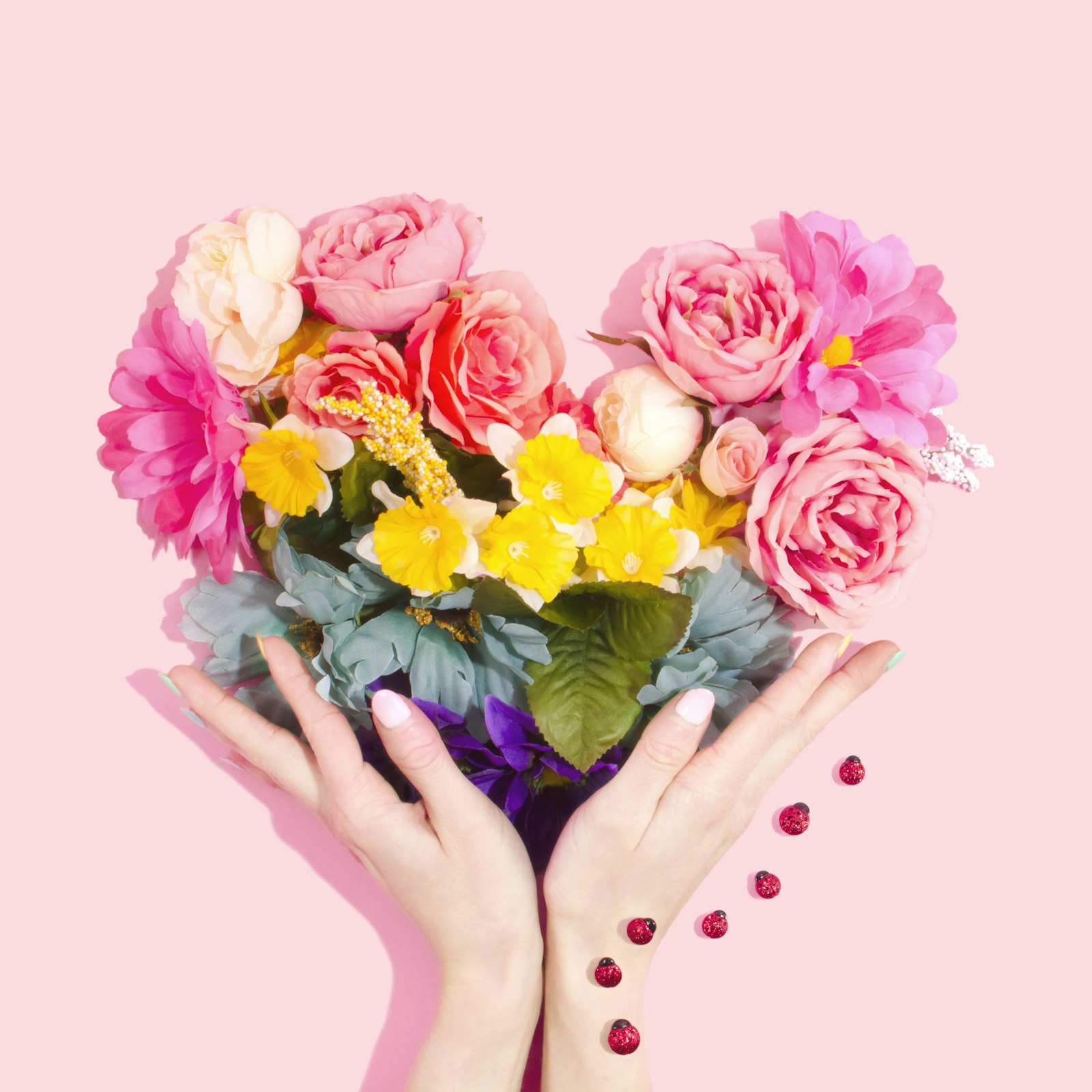
Kenya exports roses to Europe by the ton. Ironic, then, that Kenyan brides sometimes pay premium prices for the same flowers that left Naivasha last week and returned via Amsterdam.
Kenya exports roses to Europe by the ton. Ironic, then, that Kenyan brides sometimes pay premium prices for the same flowers that left Naivasha last week and returned via Amsterdam.
The flower conversation is partly aesthetic—which blooms, which colors, which arrangements. But it’s also logistical. Fresh flowers are perishable. They need water. They wilt in heat. They require specific setup timing. And they’re expensive relative to how long they last (your bouquet looks perfect for 6-8 hours, then starts fading).
Done well, flowers transform spaces. Done poorly, they’re wilted distraction in photos.
Choosing Seasonal Blooms
Seasonality affects availability and cost. Flowers available year-round cost less than imports requiring special orders.
Always Available (Year-Round Local Production)
Roses: Kenya’s flower export backbone. Available in 40+ colors. Range from tight buds (garden roses, premium) to full-bloom (standard roses, less expensive). Naivasha produces millions weekly.
Cost: KES 50-150 per stem depending on variety and quality grade. Premium garden roses (large heads, intense color, longer stems): KES 120-180 per stem. Standard roses: KES 50-80 per stem.
Carnations: Underrated. Often dismissed as “cheap” but current trend uses them massed rather than mixed—large carnation-only bouquets in single color families photograph remarkably well. Available in white, pink, red, burgundy, yellow.
Cost: KES 20-40 per stem. Budget-friendly volume option.
Gypsophila (Baby’s Breath): Filler flower that became lead player. Cloud-like arrangements, delicate appearance. Dries well if you want to preserve bouquet.
Cost: KES 30-50 per bunch.
Lilies: Oriental lilies (large, fragrant) versus smaller varieties. Note: highly fragrant varieties (stargazer) can overpower small spaces and cause allergies. Request pollen removed to avoid staining dresses.
Cost: KES 80-150 per stem.
Seasonally Optimal
Hydrangeas: Peak June-August. Large flower heads, fill space efficiently. Available in white, pink, blue (blue requires acidic soil—not naturally occurring in Kenya, might be dyed).
Cost: KES 150-250 per stem. Off-season availability limited and expensive.
Peonies: April-June peak. Imported or occasionally from Kenyan high-altitude farms. Lush, romantic appearance. Expensive and delicate.
Cost: KES 350-600 per stem. Often prohibitively expensive for large arrangements.
Sunflowers: Year-round but best March-May and September-November. Casual, cheerful aesthetic. Works for rustic/outdoor weddings.
Cost: KES 80-120 per stem.
Tulips: March-May. Imported or rare high-altitude local production. Simple elegance but short vase life (2-3 days maximum).
Cost: KES 200-400 per stem.
Why Buying Local Saves Money and Lasts Longer
Locally-grown flowers are cut fresh. They haven’t traveled. They last 5-7 days in arrangements versus 3-4 days for imported flowers that have been cold-stored and shipped.
For Naivasha roses: flowers cut Monday arrive at wedding venue Friday with 80% of their lifespan remaining. Imported peonies cut in Netherlands and flown via Amsterdam arrive already using 30-40% of their viable time.
Cost differential is significant. Local roses at KES 70 per stem versus imported peonies at KES 500 per stem—seven times price difference.
Smart approach: Use local flowers as volume (roses, carnations, greenery), add accent imported blooms sparingly (5-10 peony stems in bridal bouquet, rest local).
Bouquet Styles: Cascade, Posy, or Hand-Tied?
Bouquet style affects difficulty level (complexity = cost), silhouette in photos, and comfort carrying.
Cascade Bouquet
Classic formal style. Flowers arranged to flow downward—dramatic, elegant, visually striking. Works with ballgown dresses and traditional church ceremonies.
Construction: Requires wiring technique—individual stems wired and taped to create flowing form. Labor-intensive.
Cost: KES 15,000-30,000 depending on flower selection.
Practical consideration: Heavy. Your arm will tire. This is photo prop bouquet—you’ll want bridesmaid to hold it during non-photo moments.
Posy Bouquet
Tight, rounded arrangement. Compact. Modern classic. Works with any dress style.
Construction: Flowers arranged in sphere or dome shape, stems cut short and wrapped.
Cost: KES 8,000-18,000.
Practical: Lightweight, easy to hold, works for most bride body types and dress styles.
Hand-Tied Bouquet
Current trend leader. Loose, organic appearance. Flowers look naturally gathered rather than formally arranged. Stems visible, often wrapped in silk ribbon.
Construction: Flowers spiraled in hand, stems kept longer, tied with ribbon. Less structured than posy.
Cost: KES 10,000-25,000.
Practical: Medium weight. Stems can be placed in water during reception (keeps flowers fresh). Feels less “constructed,” which appeals to contemporary aesthetic preferences.
Greenery-Forward Bouquet
Not a shape but a composition choice. Uses foliage/greenery as primary element (eucalyptus, olive branches, ferns) with flowers as accent. Very 2020s aesthetic—organic, sustainable, photographs beautifully.
Cost: KES 6,000-15,000. Greenery is cheaper than blooms.
Centerpiece Drama: Table Scapes that Wow
Centerpieces appear in every single reception photo. They’re expensive (multiply cost per table by number of tables) but visually essential.
Low Centerpieces
Below eyeline (under 30cm tall). Allows guests to see each other across table. More conversational.
Common styles:
- Clustered vases: 3-5 small vases per table with different flower varieties
- Compote arrangements: Flowers in low bowl or wide vessel
- Floating flowers: Flowers floating in water-filled vessels (gardenias, orchids work best)
Cost per table: KES 3,000-8,000 depending on flower choice and vessel rental.
Tall Centerpieces
Above eyeline (60cm+ tall). Creates vertical drama. Guests see each other underneath arrangement.
Requires tall vases/vessels (rental cost adds up). Floral foam or chicken wire support needed. More flowers required to fill height.
Cost per table: KES 6,000-15,000.
Practical note: Transportation and setup more complex for tall arrangements. Setup time doubles. If you’re DIY or using non-professional florist, stick with low arrangements.
Mixed Height Strategy
Alternate tall and low centerpieces. Creates visual rhythm across reception space. Odd-numbered tables get tall, even get low.
This gives variety without requiring all-tall (expensive) or all-low (potentially flat visually).
Non-Floral Alternatives
Candles: Pillar candles in hurricane vases or votives clustered. Add greenery garland around base. Romantic, cost-effective.
Cost: KES 1,500-3,500 per table. Reusable if using quality candles and vessels.
Greenery runners: Instead of centerpieces, greenery runs down table center (eucalyptus, olive, fern). Candles and small bud vases interspersed. Very current aesthetic.
Cost: KES 2,000-4,000 per table.
Fruit + flowers: Lemons, limes, figs, pomegranates mixed with greenery and minimal flowers. Visually interesting, unexpected. Works for garden or rustic weddings.
Cost: KES 2,500-5,000 per table.
The Sustainable Bride: Foam-Free Installations
Floral foam (Oasis) is standard industry tool—green foam that holds water and allows stems to be positioned. But it’s petroleum-based plastic. Doesn’t biodegrade. Single-use.
Growing awareness is pushing florists toward sustainable mechanics:
Chicken wire in vases: Crumpled wire creates structure for stems. Reusable. Requires more skill to arrange but no plastic waste.
Pin frogs/kenzan: Metal pin holders that sit in vessel bottom. Stems pushed onto pins. Works for low arrangements. Japanese ikebana technique.
Water tubes: Individual stems get small water tube attached. Allows flowers to be placed without large water source. Used for arches and installations.
Ask your florist: “Do you offer foam-free options?” Many Kenyan florists still default to foam but can work without if requested. Might add 10-15% to labor cost (more time-intensive) but eliminates plastic waste.
Fresh vs. Silk: The Debate
Silk flowers improved dramatically—high-quality silk roses look nearly real from 3 feet away. But they still read differently in photos and in person.
When Silk Works
Preserved arrangements: Bouquet you want to keep forever. Silk won’t wilt. Can be made months ahead.
Extreme heat situations: Coast weddings, midday outdoor ceremonies. Fresh flowers wilt in 30+ degree heat. Silk doesn’t.
Budget constraints: Silk bouquet costs KES 8,000-15,000 but doesn’t wilt, can be used for multiple events (engagement shoot, bridal shower, wedding).
Destination logistics: If you’re getting married at remote location where fresh flower delivery is complicated/expensive.
When Fresh Is Non-Negotiable
Close-up photography: Fresh flowers have texture silk can’t replicate. Petals have depth, light translucence. Silk reads flat in macro photos.
Scent: Obvious but matters to some couples. Gardenias, freesias, peonies smell beautiful. Silk doesn’t.
Tradition/preference: Some couples simply want real flowers—the symbolism, the impermanence, the authenticity.
Reception arrangements: Silk centerpieces on 15 tables is noticeable. Fresh flowers have organic variation. Silk uniformity looks staged.
Compromise option: Fresh bridal bouquet and boutonnieres (high-touch items, closely photographed), silk for ceremony arch or bulky installations where transportation/setup complexity favors artificial.
Logistics Nobody Tells You About
Setup timing: Florist needs 2-4 hours for full wedding setup (ceremony arch, bouquets, boutonnieres, centerpieces). Coordinate with venue access times. If ceremony is 2pm, florist needs access by 10am minimum.
Water source: Florist needs water access on-site for filling vases. Confirm venue has outdoor taps or plan for water transport.
Refrigeration: If setup happens day before or morning of wedding in hot weather, arrangements need cool storage. Does venue have walk-in fridge? If not, flowers might arrive wilted.
Breakdown/cleanup: Who removes flowers after wedding? Some florists include breakdown, others charge KES 8,000-15,000 extra. Or venue staff handles it. Clarify upfront.
Donation plan: Fresh flowers last 3-5 days post-wedding. Many couples donate centerpieces to hospitals, churches, or elderly homes. Noble gesture. Requires coordination—who’s collecting and delivering? Don’t leave this to chance or flowers get thrown away.
Bouquet preservation: If you want bouquet preserved professionally (pressing or resin), hand it to designated person immediately after reception. Don’t let it sit overnight or quality degrades. Professional preservation costs KES 12,000-25,000.
Top Florists in Kenya
Premium Tier (KES 200,000+ for full wedding)
Roshanara Flora (Karen): High-end installations. They do the elaborate arches, suspended floral ceilings, statement pieces. Portfolio shows luxury weddings. Pricing reflects it.
Fern & Bloom (Westlands): Contemporary aesthetic. Strong on greenery-forward designs, organic arrangements. Less traditional than Roshanara.
Petals & Posies (Kilimani): Reliable premium service. Classic elegance. Good for couples wanting traditional formal arrangements done to perfection.
Mid-Range (KES 100,000-200,000 for full wedding)
The Flower Company (Nairobi): Solid all-around service. Wide flower selection. Can execute multiple styles. Responsive communication.
Bloomsbury (Karen): Garden romantic aesthetic. Strengths in loose, textured arrangements. Works well with outdoor venues.
Wildflower Studio (Nairobi): Trend-aware. Follows current Instagram aesthetics closely. Good for couples wanting “what’s current.”
Budget-Friendly (Under KES 100,000 for full wedding)
Naivasha Flower Market: Buy direct from farm/market. Arrange yourself or hire day-of florist for assembly only. Savings significant—flowers cost 40-50% less direct than through florist.
Zipporah’s Florals (Eastlands): Small operation, personal service. Limited complex installations but solid for bouquets and simple centerpieces.
DIY option: Buy wholesale from Maua Market (near City Stadium) or Ngara Market. Expect to pay KES 30-50 per rose stem, KES 15-25 per carnation. You handle arranging or hire freelance florist for day-of assembly (KES 15,000-25,000 labor only).
Questions to Ask Your Florist
“Can you show me a full wedding you’ve done, not just highlight photos?” Portfolio showing one beautiful arch doesn’t prove they can execute 15 centerpieces plus ceremony florals plus personal flowers.
“What happens if flowers don’t arrive or wilt?” Professionals have backup suppliers. Amateurs have excuses.
“Do you include setup, breakdown, and vases/vessels?” Or are you renting containers separately?
“What’s your refund/cancellation policy?” Flowers are ordered weeks ahead. If wedding postpones, what happens to deposit?
“How do you handle color matching?” Bring fabric swatches (bridesmaid dresses, linens). Flowers photographs differently than they look in person. Florist should test combinations before wedding.
“What’s your advice on keeping costs down without sacrificing look?” Good florist will suggest: use seasonal flowers, choose local over imported, consider greenery volume, focus budget on high-impact areas (ceremony arch, bridal bouquet) and simplify elsewhere.
What Actually Matters
Flowers are expensive for what they are—living things that die. That’s frustrating if you’re budget-conscious.
But they’re also the element that makes spaces feel intentional. Bare tables versus tables with centerpieces—the difference is visceral.
Prioritize where you’re photographed most (ceremony site, couple with bouquet, head table). Simplify elsewhere. And accept that flowers are temporary luxury—part of their beauty is their impermanence.
Browse the Florist Directory to see portfolios and contact details. Filter by aesthetic style and budget tier.

Esther Mwansa
• Style & Culture ContributorEsther covers the intersection of fashion, culture, and celebration. Based in Nairobi but raised between Kenya and Zambia, she writes about bridal style that honors heritage while embracing contemporary aesthetics. Her expertise spans traditional ceremonial attire across East African communities, modern bridal fashion, and the practical challenges of dressing for multiple events. She believes every bride should feel like herself—just elevated.