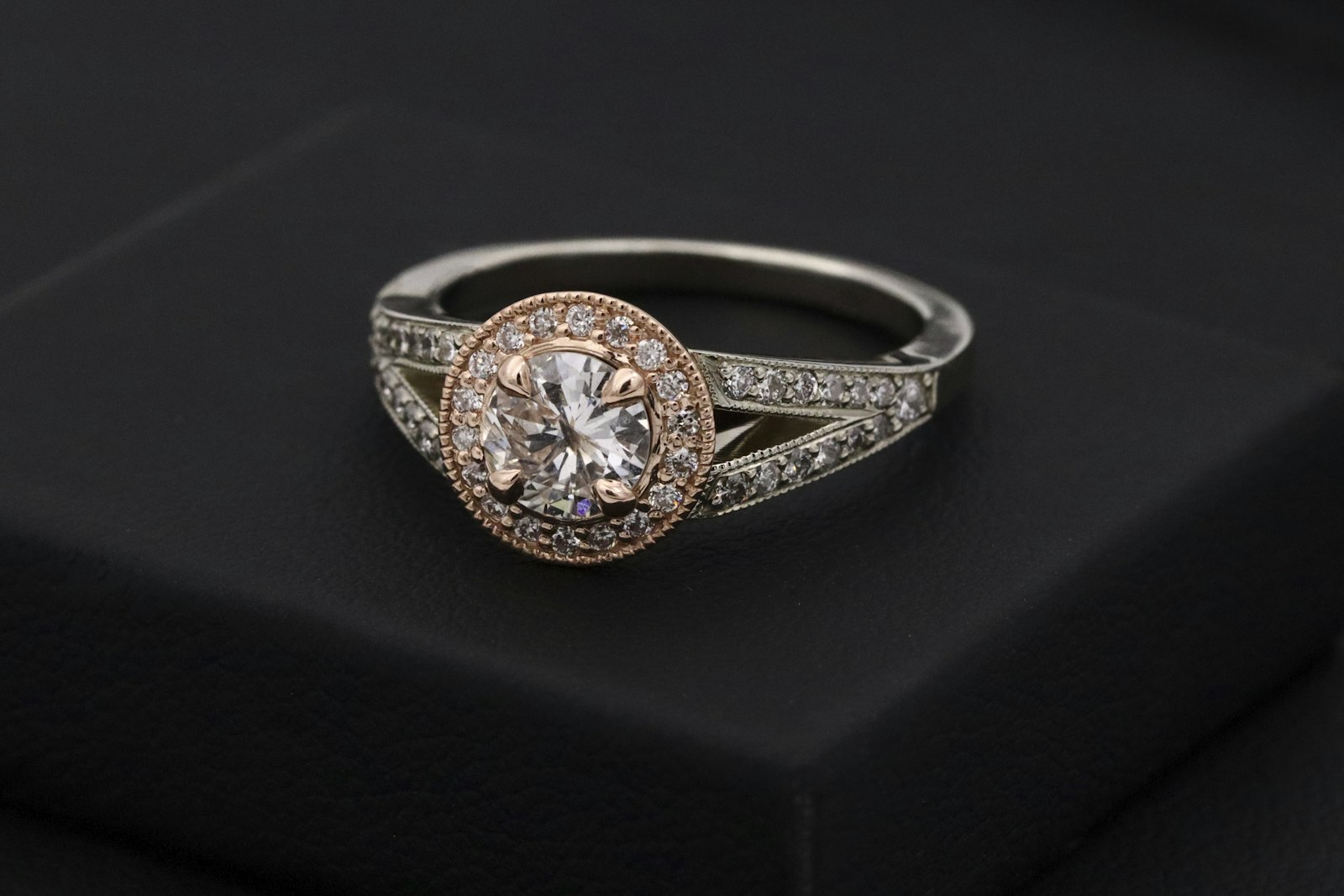
Everything you need to know about buying wedding rings in Kenya. Gold vs platinum, where to shop in Nairobi, sizing, engraving, and how to get the best value.
The rings are the only physical objects that outlast the wedding day. The dress goes into storage. The flowers die. The cake is eaten. But the rings stay on your fingers, day after day, year after year, becoming part of your daily life.
Choosing them deserves thought. Not just about how they look in photos, but how they’ll feel when you’re typing at a computer, washing dishes, or holding your child. This is long-term thinking applied to jewelry.
Understanding the Basics
What Wedding Rings Symbolize
Historically, the circular shape represented eternity—no beginning, no end. The placement on the fourth finger came from the belief (later disproven) that a vein ran directly from that finger to the heart.
In modern Kenyan weddings, rings represent:
- Public declaration of commitment
- The unbroken circle of marriage
- A daily reminder of promises made
- In some communities, status and family heritage
Engagement Ring vs Wedding Ring
Engagement rings typically feature a center stone (diamond or gem) and are worn during engagement. Wedding bands are exchanged during the ceremony and worn together with engagement rings (usually stacked).
For men: Typically receive only a wedding band.
For women: Usually receive both, worn together on the same finger.
Some couples skip engagement rings entirely, especially in more traditional families where dowry negotiations serve the same symbolic purpose.
Choosing Your Metal
Yellow Gold
The traditional choice for Kenyan weddings. Warm, classic, and historically valuable.
Purity levels:
- 24K: Pure gold (99.9%). Too soft for daily wear; scratches and bends easily.
- 18K: 75% gold, 25% alloy. Good balance of purity and durability.
- 14K: 58% gold, 42% alloy. More durable, less expensive, slightly paler color.
Price range: KES 15,000-80,000 depending on weight and purity Best for: Traditional ceremonies, those wanting classic look, investment value
White Gold
Gold alloyed with white metals (nickel, palladium, silver) and plated with rhodium for bright white shine.
Pros: Platinum look at lower cost; durable Cons: Rhodium plating wears off (requires re-plating every 1-2 years); may contain nickel (allergy concern)
Price range: KES 18,000-90,000 Best for: Those wanting silver/platinum aesthetic on budget
Rose Gold
Gold alloyed with copper, giving pinkish hue. Increasingly popular for women’s rings.
Pros: Unique color; romantic aesthetic; doesn’t require plating Cons: Copper content can cause reactions in some; not traditional
Price range: Similar to yellow gold Best for: Fashion-forward couples, women’s bands
Platinum
Premium precious metal. Naturally white, extremely durable, hypoallergenic.
Pros: Never tarnishes or changes color; extremely durable; prestigious; good for sensitive skin Cons: Expensive; heavy (some find it noticeable); scratches develop patina
Price range: KES 50,000-200,000+ Best for: Those with budget; people wanting lowest maintenance; prestige
Sterling Silver
Budget option, but generally not recommended for wedding rings.
Cons: Tarnishes quickly; too soft for daily wear; doesn’t hold value
Use case: Placeholder rings only
Alternative Metals
Titanium: Lightweight, strong, inexpensive. Can’t be resized. KES 5,000-15,000.
Tungsten: Extremely hard, scratch-resistant. Can’t be resized, can crack if dropped. KES 8,000-20,000.
These are modern imports, not traditional in Kenyan context, but increasingly chosen by younger couples for practicality.
Where to Buy Wedding Rings in Kenya
High-End Jewelers (KES 80,000-500,000+)
Joyalukas (Sarit Centre, Westgate)
- International brand, established quality
- Wide selection of gold and diamond rings
- Certificates of authenticity provided
- After-sales service
Tiffany & Co. (available through select retailers)
- Ultimate prestige brand
- Significant markup for name
- Lifetime maintenance
Baraka Jewellers (Diamond Plaza, Parklands)
- Kenyan-Indian family business
- Custom designs available
- Gold specialists
- Negotiable pricing
Mid-Range Options (KES 25,000-100,000)
Jumia/Kilimall online
- Wide selection, competitive prices
- Risk: Can’t see before buying
- Return policies vary
- Read reviews carefully
Local jewelry shops (CBD, Moi Avenue)
- Hundreds of small shops
- Negotiate aggressively
- Verify purity with independent testing
- Ask for receipts and certificates
Sarit Centre jewelry section
- Multiple vendors to compare
- Established mall tenants (more accountability)
- Mid-to-high range options
Budget-Friendly (KES 8,000-30,000)
Eastleigh jewelry market
- Very competitive prices
- Wide selection
- Cash transactions common
- Warning: Verify purity independently; some sellers misrepresent gold content
Biashara Street shops
- Downtown Nairobi selection
- Negotiable
- Mix of genuine and questionable quality
- Bring someone knowledgeable
Second-hand options
- Estate sales
- Pawn shops
- Online marketplaces
- Risk: Unknown history, sizing issues
The Buying Process
Step 1: Set Your Budget
Common guideline: 2-3 months’ salary (traditional, not mandatory)
More practical approach:
- What can you afford without debt?
- What matters more to you—size, quality, or brand?
- Remember: you’re buying two rings (minimum)
Budget allocation:
- Her rings (engagement + wedding): 70-80% of total
- His ring: 20-30% of total (Adjust based on preferences; many modern couples spend equally)
Step 2: Research Styles
Classic bands: Plain metal, rounded or flat profile. Timeless, comfortable.
Eternity bands: Diamonds or gems encircling the band. Sparkly, expensive, harder to resize.
Contemporary designs: Mixed metals, unique textures, modern shapes. Fashion-forward but may date.
Matching sets: Designed to fit together visually. Cohesive but limits individual expression.
Step 3: Get Sized Professionally
Ring size changes throughout the day:
- Fingers swell in heat, shrink in cold
- Morning vs. evening sizes differ
- Right and left hands differ
Best practice:
- Get sized at different times of day
- Try on rings similar in width to your choice (wider bands fit tighter)
- Consider knuckle size (ring must pass over knuckle but not spin)
Standard Kenyan ring sizes:
- Women: J to P (most common: L-N)
- Men: P to Z (most common: R-T)
Step 4: Verify Quality
For gold:
- Look for hallmark stamps: “750” for 18K, “585” for 14K, “375” for 9K
- Kenyan law requires hallmarking; absence is suspicious
- Request certificate of authenticity
For diamonds (if applicable):
- Ask for grading certificate (GIA, IGI, or similar)
- Understand the 4 Cs: Cut, Color, Clarity, Carat
- Without certificate, assume diamond is lower quality than claimed
Get second opinion:
- Independent jeweler can verify gold purity
- Worth the small cost for expensive purchases
Step 5: Negotiate
Jewelry prices are rarely fixed in Kenya.
Tactics:
- Shop around; get multiple quotes
- Cash often gets discounts (10-20%)
- Buy both rings from same shop for package deal
- Shop during off-peak times (not December wedding season)
- Ask about upcoming sales
Practical Considerations
Lifestyle Fit
Active lifestyle:
- Lower profile rings (don’t catch on things)
- Durable metals (platinum, 14K gold)
- Avoid large stones that protrude
Office/professional:
- Classic styles
- Moderate width (4-6mm for men, 2-4mm for women)
- Subtle over flashy
Manual work:
- Consider silicone bands for work hours
- Tungsten or titanium for durability
- Or remove rings during work (with safe storage)
Width and Comfort
Standard widths:
- Women: 2mm-4mm
- Men: 4mm-8mm
Try on different widths:
- Wider rings feel tighter (size up)
- Narrow rings can spin on finger
- Comfort fit (rounded interior) costs more but wears better
Matching vs. Individual
Matching rings:
- Same metal, similar design
- Symbolizes unity
- Some find it limiting
Coordinated (not matching):
- Same metal, different styles
- Acknowledges different tastes
- Common modern approach
Completely different:
- Each person chooses independently
- Works if tastes differ significantly
- Less visual connection
Engraving
Common engravings:
- Wedding date
- Initials
- Short phrases (“Forever,” “My Love”)
- Coordinates (where you met/proposed)
- Bible verses
- Inside jokes (keep tasteful)
Where to engrave in Nairobi:
- Many jewelers offer engraving
- Independent engravers in CBD
- Laser engraving available (precise, permanent)
Cost: KES 1,000-5,000 depending on complexity
Timing: Easier to engrave before wearing; some shops won’t engrore worn rings
Insurance
Expensive rings should be insured.
Options:
- Add to home contents insurance
- Specific jewelry insurance
- Some high-end jewelers offer insurance
Coverage should include:
- Loss
- Theft
- Damage
- Mysterious disappearance
Documentation needed:
- Purchase receipt
- Certificate of authenticity
- Photographs
- Appraisal (for expensive pieces)
Maintenance
Cleaning at Home
Regular cleaning:
- Warm water + mild soap + soft brush
- Soak 15 minutes, gently scrub
- Dry with soft cloth
Frequency: Monthly, or when dull
Professional Maintenance
Annual check-up:
- Prongs checked (for rings with stones)
- Professional cleaning
- Inspection for wear
Re-rhodium plating:
- White gold needs re-plating every 1-2 years
- Cost: KES 3,000-8,000
- Restores bright white shine
Resizing
When needed:
- Weight gain/loss
- Arthritis or joint changes
- Pregnancy (temporary—wait 6 months postpartum)
Cost in Nairobi:
- Simple resize: KES 2,000-5,000
- Complex adjustments: KES 5,000-10,000
- Eternity bands often can’t be resized
Cultural Considerations
Dowry and Rings
In some Kenyan communities, the dowry payment traditionally preceded marriage. Rings are newer additions, sometimes viewed as Western influence.
Modern approach:
- Rings complement (don’t replace) traditional practices
- Some couples exchange rings during church/civil ceremony, then participate in traditional rites
- Others wear rings daily but honor traditional commitment symbols
Which Hand?
Western tradition: Left hand, fourth finger Some Orthodox traditions: Right hand Personal choice: Either is valid; consistency with your partner is what matters
Most Kenyan couples follow Western left-hand tradition.
Final Checklist
Before buying:
- Budget set
- Styles researched
- Fingers professionally sized
- Quality verification plan
- Multiple quotes obtained
- Return policy understood
At purchase:
- Hallmarks verified
- Receipt obtained
- Certificate of authenticity received
- Warranty/after-sales service confirmed
- Insurance arranged (if valuable)
After purchase:
- Engraving completed
- Photos taken for insurance
- Safe storage until wedding day
- Cleaning supplies purchased
Cost Summary
| Budget Level | His Ring | Her Rings (Engagement + Wedding) | Total |
|---|---|---|---|
| Modest | KES 8,000-15,000 | KES 15,000-30,000 | KES 23,000-45,000 |
| Mid-range | KES 20,000-40,000 | KES 40,000-80,000 | KES 60,000-120,000 |
| Premium | KES 50,000-100,000 | KES 100,000-300,000 | KES 150,000-400,000 |
| Luxury | KES 100,000+ | KES 300,000+ | KES 400,000+ |
The rings matter, but they’re symbols—not the marriage itself. Buy what you can afford. Choose what feels right. Then focus on the relationship the rings represent.
A KES 15,000 ring worn with intention carries the same meaning as one that cost KES 500,000. The value is in the promise, not the price tag.
MyWedding Editorial
• Editorial TeamThe MyWedding Kenya editorial team brings together industry experts, vendor insiders, and experienced wedding planners to provide comprehensive guidance for couples navigating the Kenyan wedding landscape.