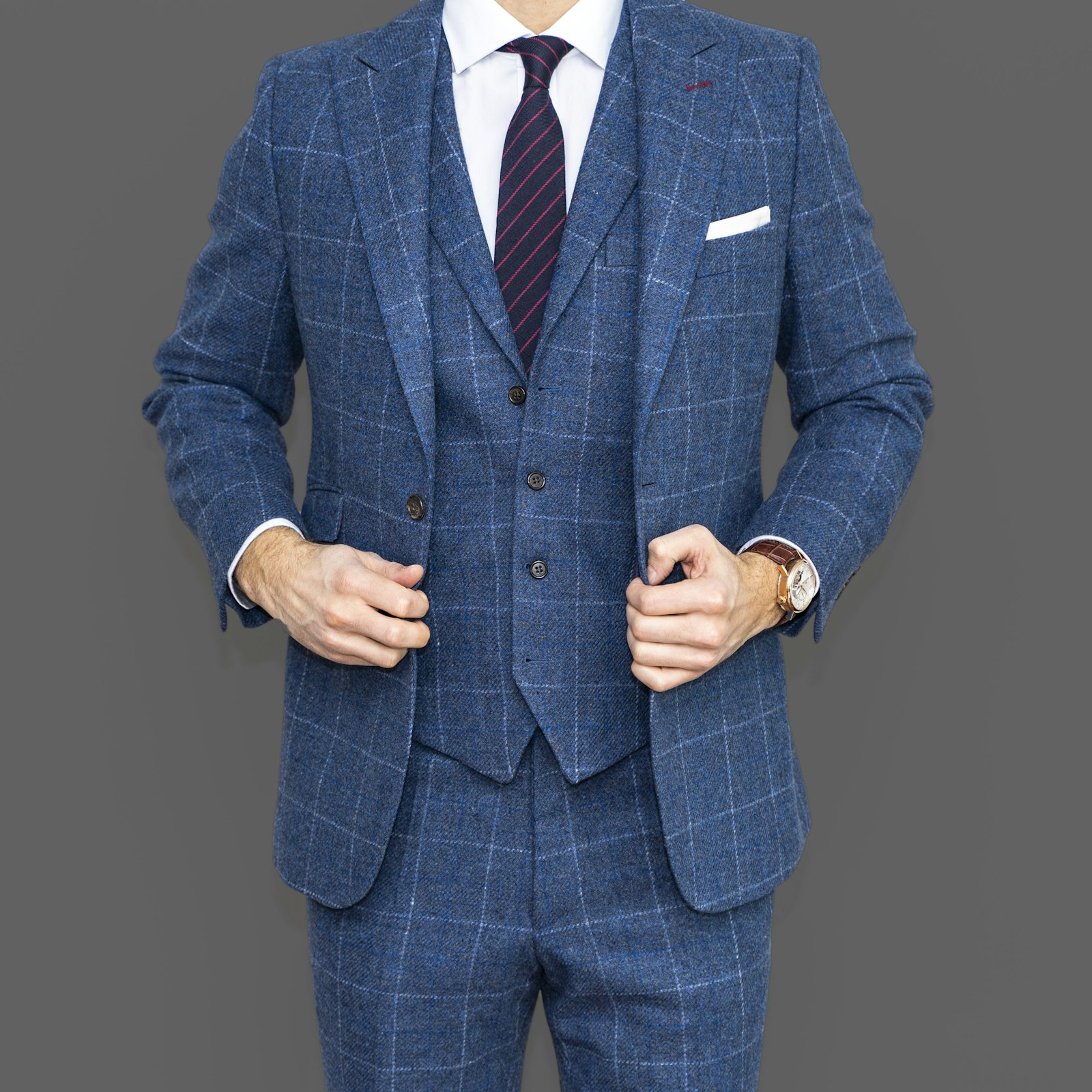
Everything Kenyan grooms need to know about wedding suits. Styles, colors, where to buy or rent in Nairobi, costs, and how to look your best on the big day.
The groom’s suit doesn’t get the same attention as the wedding gown, but it should. While everyone discusses the bride’s dress, the groom stands there in something that might not fit properly, might be the wrong color, or might simply not feel like him.
Getting it right isn’t complicated, but it does require thought. This guide covers what Kenyan grooms actually need to know—from fabric choices to where in Nairobi to get fitted.
Choosing Your Suit Style
The Classic Two-Piece
A well-fitted two-piece suit (jacket and trousers) works for most Kenyan weddings. It’s versatile, timeless, and appropriate for everything from church ceremonies to garden receptions.
Best for: Traditional weddings, church ceremonies, formal receptions Colors: Navy, charcoal, black, or deep burgundy Fabric weight: Lightweight wool or wool blend (Kenya’s climate demands breathability)
The Three-Piece
Adding a waistcoat elevates the look significantly. It photographs well and gives you options—wear the full three-piece for the ceremony, lose the jacket for the reception.
Best for: Formal weddings, cooler venues (Karen, Limuru), grooms who want a distinguished look Considerations: Adds KES 15,000-30,000 to your cost; can feel warm during outdoor receptions
The Tuxedo
Evening weddings (after 6 PM) traditionally call for tuxedos. The satin lapels and stripe down the trousers distinguish it from business suits.
Best for: Black-tie weddings, evening receptions, hotel ballrooms Warning: A tuxedo before 6 PM looks out of place. If your ceremony starts at 2 PM, choose a suit.
The Safari/Destination Wedding Suit
For outdoor weddings in Naivasha, Diani, or the Mara, consider lighter fabrics and more relaxed cuts. Linen-cotton blends in tan, light grey, or soft blue work beautifully.
Best for: Beach weddings, bush weddings, outdoor garden ceremonies Challenge: Linen wrinkles easily. Have someone assigned to steaming duties.
Color Selection: What Works in Kenya
Navy Blue
The safest choice. Navy photographs well, works with most wedding color schemes, and can be worn again for business functions.
Pairs with: White, ivory, blush, champagne, burgundy, emerald bridesmaid dresses Shirt options: White (safest), light blue, pale pink
Charcoal Grey
Slightly more formal than navy, charcoal suits mature grooms and serious ceremonies. It also hides dust better than lighter colors—relevant for outdoor weddings on unpaved grounds.
Pairs with: Any color scheme Shirt options: White, light grey, pale lavender
Black
Once reserved for evening wear, black suits have become acceptable for daytime weddings. They’re formal, slimming, and universally appropriate.
Pairs with: Everything, but can look severe with very bright bridesmaid colors Caution: Black absorbs heat. Consider this for air-conditioned venues or cooler months.
Burgundy/Wine
Increasingly popular for Kenyan weddings, burgundy adds warmth and works beautifully with earth-tone color schemes.
Pairs with: Gold, cream, blush, sage green, navy accents Best season: April-August (cooler months)
Light Grey
Fresh and modern, light grey suits daytime weddings particularly well. It’s less formal than charcoal but more interesting than beige.
Pairs with: Navy, blush, mint, lavender Risk: Shows stains easily. Have a backup plan for outdoor receptions.
Tan/Beige
Perfect for beach and bush weddings. This is the most casual option, appropriate for daytime outdoor ceremonies only.
Pairs with: Navy, coral, mint, white Warning: Never wear tan to an evening wedding or church ceremony. It looks like you forgot to dress up.
Fabric: What Works in Kenyan Weather
Kenya’s climate ranges from hot and humid (Mombasa) to cool and rainy (Limuru) to dusty and warm (Nairobi). Your fabric choice matters.
Tropical Wool (Best All-Rounder)
Lightweight, breathable, and structured. Tropical wool drapes well and resists wrinkling. This should be your default choice.
Weight: 7-9 oz (summer weight) Cost: Medium to high Availability: Available at better Nairobi tailors
Wool-Silk Blend
Adds subtle sheen and softness. The silk content helps the suit drape elegantly, though it adds cost.
Best for: Grooms who want something special Care: Dry clean only; handle with care
Linen and Linen Blends
The coolest option, ideal for coastal and outdoor weddings. Pure linen wrinkles dramatically; linen-cotton or linen-silk blends perform better.
Best for: Beach weddings, garden ceremonies Accept the wrinkles: They’re part of linen’s character
Polyester Blends
Budget-friendly but less breathable. In Kenya’s heat, you might regret choosing polyester.
Use case: Emergency rentals only Longevity: Doesn’t last; pills and shines with wear
Where to Get Your Suit in Kenya
Custom Tailoring (KES 35,000-80,000)
Bespoke suits are made from scratch based on your measurements. This is the gold standard for fit and personalization.
Recommended Nairobi tailors:
- Katindi Clothiers (Westlands): Established Kenyan brand, excellent fabrics
- Axis Suits (CBD): Mid-range option with good turnaround
- This Is Essential (Lavington): Modern cuts, younger aesthetic
- Sarit Centre tailors (Westlands): Multiple options, competitive pricing
Timeline: 4-8 weeks for bespoke; rush orders possible at premium cost
Made-to-Measure (KES 25,000-50,000)
You choose from existing patterns, and the suit is adjusted to your measurements. Faster than bespoke, with good fit.
Where: Most established tailors offer this Timeline: 2-4 weeks
Off-the-Rack with Alterations (KES 15,000-40,000)
Buy a ready-made suit and have it tailored to fit. This is the most common approach.
Where to buy:
- Mr. Price, Woolworths (various locations): Entry-level, limited sizes
- LC Waikiki (Sarit, Garden City): Better selection, modern fits
- Tailor’s Mark (Village Market): Higher-end ready-to-wear
- Thika Road Mall stores: Budget options
Critical: Budget KES 3,000-8,000 for alterations. An unaltered off-the-rack suit almost never fits properly.
Rental (KES 5,000-15,000)
Viable for one-time wear, though fit is never perfect.
Rental shops:
- Groom’s Room (Nairobi CBD): Specialized in wedding rentals
- Suit Hire Kenya (Westlands): Range of styles and sizes
- Various boutiques in Eastleigh and CBD
What you get: Jacket, trousers, sometimes waistcoat and accessories Limitations: Limited sizes; may not fit perfectly; you’re wearing something another groom wore
The Fitting Process
Whether buying or renting, fittings matter. Here’s what to check:
Shoulders
The shoulder seam should sit exactly at your shoulder’s edge. Too wide looks sloppy; too narrow restricts movement. This is the hardest part to alter—get it right.
Jacket Length
With arms at your sides, the jacket should cover your buttocks and end around your thumb knuckle. Shorter is trendy but less formal; longer looks dated.
Sleeve Length
About 1-1.5 cm of your shirt cuff should show beyond the jacket sleeve. This creates visual interest and shows you know what you’re doing.
Trouser Break
The trouser hem should rest lightly on your shoe, creating a small “break” or fold. No break looks fashion-forward; too much break looks sloppy.
Waist
You should be able to fit a flat hand inside the waistband. Any tighter restricts breathing (and eating) during the reception.
Essential Accessories
The Shirt
White is classic and correct. Light blue works with navy or grey suits. Anything else risks clashing with wedding colors.
Fabric: Cotton, preferably Egyptian or pima Collar: Spread or semi-spread for standard ties; wing collar for bow ties Cuff: French cuffs (double cuffs) with cufflinks for formal weddings; barrel cuffs acceptable for less formal settings
The Tie or Bow Tie
Width: Should match your lapel width (currently 2.5-3 inches) Length: Tip should touch the top of your belt buckle Bow ties: Required for tuxedos; optional but acceptable for suits
Colors: Coordinate with wedding scheme, but don’t exactly match bridesmaids (you’re not part of the bridal party). Complementary colors work best.
Shoes
Black Oxford shoes are the standard. Dark brown works with navy or light grey; never wear with black or charcoal suits.
Investment: Good shoes last decades. This is not where to economize.
Nairobi options:
- Bata (various locations): Reliable, affordable
- Mr. Price, Woolworths: Mid-range
- Nicol’s, Riviera: Premium options
Pocket Square
Not optional. A white linen pocket square in a presidential fold works with everything. Colored or patterned squares should complement but not exactly match your tie.
Watch
If you wear one, keep it elegant. No sports watches, no smartwatches during the ceremony (distraction). A simple dress watch adds sophistication.
Cufflinks
Required for French cuffs. Silver or gold tones should match your belt buckle and watch. Simple designs age better than novelty cufflinks.
The Groomsmen Question
Should groomsmen match the groom exactly?
Option 1: Exact match Everyone wears identical suits. Clean, cohesive, but can look like a corporate retreat.
Option 2: Coordinated variation Groom in navy three-piece; groomsmen in navy two-piece. Or groom in charcoal; groomsmen in light grey. Creates visual hierarchy.
Option 3: Complementary colors Groom in navy; groomsmen in grey. Works if the wedding color scheme bridges both.
Practical consideration: Unless you’re buying their suits, give groomsmen clear guidance on exactly what to get. “Blue suit” isn’t specific enough.
Budget Breakdown
| Item | Budget (KES) | Mid-Range (KES) | Premium (KES) |
|---|---|---|---|
| Suit | 15,000-25,000 | 35,000-50,000 | 60,000-100,000 |
| Shirt | 2,000-4,000 | 5,000-8,000 | 10,000-15,000 |
| Shoes | 3,000-6,000 | 8,000-15,000 | 20,000+ |
| Tie/Bow | 1,000-2,000 | 3,000-5,000 | 8,000+ |
| Accessories | 2,000-4,000 | 5,000-8,000 | 12,000+ |
| Alterations | 3,000-5,000 | 5,000-8,000 | 8,000+ |
| Total | 26,000-46,000 | 61,000-94,000 | 118,000+ |
Timeline: When to Start
3-4 months before: Begin researching styles and tailors 2-3 months before: Order custom suit or purchase off-the-rack 6-8 weeks before: First fitting 3-4 weeks before: Second fitting, alterations underway 1 week before: Final fitting, pick up suit Day before: Hang suit properly, prepare accessories
Last-minute emergencies: Eastleigh and CBD shops can sometimes deliver same-day or next-day alterations, but quality varies.
Final Tips
Get a spare shirt. Spills happen. Reception dancing causes sweat. Having a fresh shirt for the evening portion is wise.
Break in your shoes. Wear them around the house for a week before the wedding. Blisters on your wedding day ruin everything.
Bring a sewing kit. A loose button can be fixed in minutes if you’re prepared.
Consider the photographer. Dark suits photograph better than light ones. Textured fabrics (herringbone, subtle checks) add visual interest without being distracting.
Be yourself, but elevated. Your wedding suit should look like you at your best, not like you’re playing dress-up in someone else’s clothes.
The suit matters, but it’s not the point. The point is standing in front of someone you love, making promises. The suit just helps you feel worthy of the moment.
MyWedding Editorial
• Editorial TeamThe MyWedding Kenya editorial team brings together industry experts, vendor insiders, and experienced wedding planners to provide comprehensive guidance for couples navigating the Kenyan wedding landscape.